

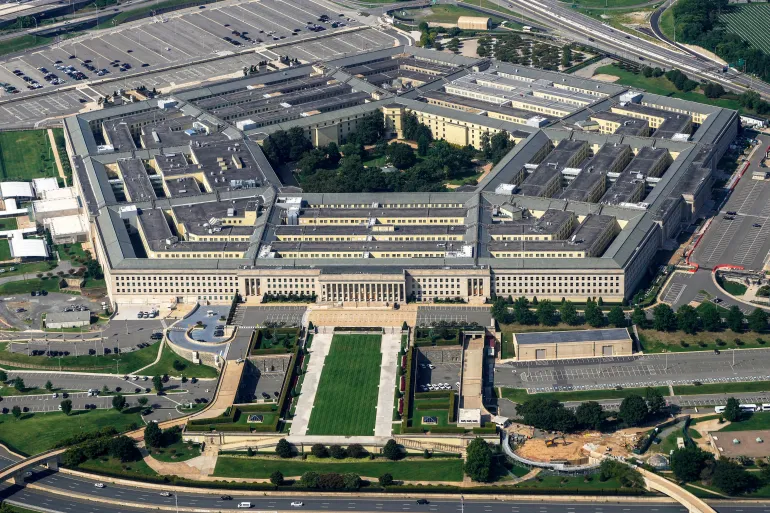
The Pentagon has informed US lawmakers that the war on Iran has cost American taxpayers at least $47.1 billion so far, according to reports.
The estimate, as of October 16, was shared with Congress last week and comes just days before the November 3 midterm elections. It covers operational costs of the conflict that began on February 28 and includes a projected $29 billion needed to replace expended munitions such as bombs, bullets and other military hardware.
Since the war started, the US Air Force has spent $7.6 billion on fighter and bomber units, the US Navy has spent $1.5 billion on two dozen warships and aircraft carriers, and the US Army has spent $2.1 billion to sustain its troops in the Middle East. Officials also reported $6.1 billion spent to replace damaged aircraft and munitions, $645 million on transport and support for commandos, and $24.5 million on medical support for US service members. Additional spending included $92.2 million by the US Transportation Command and $14 million by the US Cyber Command.
The Pentagon’s figure does not include the cost of repairing damaged military bases across the Middle East or the cost of fuel for ships and aircraft. The Pentagon has publicly acknowledged 18 US service member fatalities, while some reports put the death toll at least at 22. Official records list 865 military personnel wounded in the war.
The latest estimate is higher than the $38 billion forecast by the Congressional Budget Office in September and the $37.5 billion figure given by US Defense Secretary Pete Hegseth in July. Earlier administration estimates stood at $29 billion in May and $25 billion in late April. With the war entering its ninth month, the CBO has said it could cost approximately $2 billion to $3 billion per month for as long as it continues.
The disclosure has drawn criticism from Democratic senators, who had previously demanded greater transparency on the true cost of the war. Senate Minority Leader Chuck Schumer said American families have borne the heavy cost of the conflict for eight months and criticised the administration for entering the war without a clear plan or exit strategy.
The war has also driven up energy prices. Iran’s closure of the Strait of Hormuz has affected global oil and gas supplies, contributing to higher diesel prices in the United States. Analysts note that the rising cost of the war, combined with its impact on the economy, could influence voter sentiment ahead of the midterms. President Donald Trump has not commented on the latest Pentagon estimate. He has previously stated that the war will end when he decides it should.
Comments
0 publishedNo comments have been published yet.